
A Prior Condition and New Harm Are Different Questions
An old injury, recurring symptoms, or an existing diagnosis describes your history. A later event might cause a different injury, worsen an existing problem, or have no legally provable connection to your present condition.
The existence of earlier symptoms does not answer which of those situations applies.
Aggravation of a preexisting condition means worsening an existing problem. As a Florida example, civil jury instruction 501.5(a) addresses both aggravating an existing condition and activating a latent one.
It directs jurors to separate the resulting harm when possible. It also describes circumstances for awarding damages for the entire condition when separation is not possible.
Its use note calls for an additional causation instruction. Other states apply their own rules to aggravation and causation.
Florida Civil Jury Instruction 501.5(a), Page 543: Aggravation and Activation
Why a Firm May Question Causation
Causation concerns whether the incident caused or contributed to the harm being claimed. That is a different question from who caused the collision or fall.
A firm may be concerned about missing evidence, difficulty proving the connection, or the work and expense it anticipates.
Keep any explanation you received. If no reason was given, describe the incident and your medical history and let the next firm know that the reason is unclear.
On causation specifically, a firm may question:
- How to distinguish earlier pain from later limitations.
- Whether records describe the same symptoms before the event.
- Whether another incident complicates the timeline.
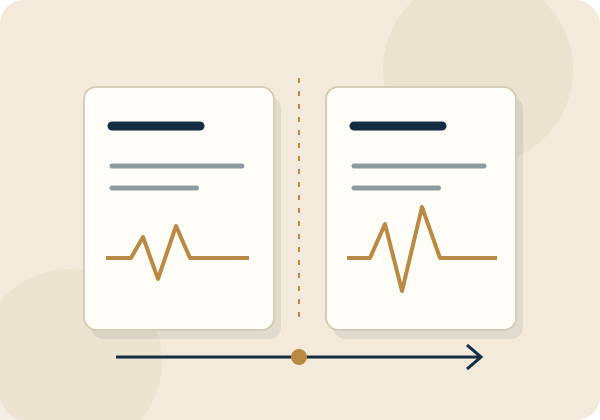
Build a Useful Before-and-After Chronology
Describe your symptoms, ordinary activities, existing limitations, and treatment before the incident. Then explain what changed afterward.
If symptoms came and went, describe how often they occurred and how they affected your activities.
For example, someone might have occasional back discomfort before a collision but later miss work or need help with tasks they previously managed.
Specific examples help a reviewer understand the change. Mark approximate dates as approximate and note whether a detail comes from memory or a record.
- Before: earlier injuries, symptoms, relevant care, and usual work or daily activities.
- Incident: date, location, what happened, and any other events affecting the same area.
- After: when changes were noticed, when they were reported, and specific activity limits.
Prior Medical Records Can Help Clarify the Baseline
Earlier records may document both limitations and periods of improvement. They help a reviewer compare what existed before the event with what followed it.
A patient-portal summary may leave out part of your record. HHS explains that HIPAA generally provides access, with limited exceptions, to records held by covered providers and plans, including clinical notes, billing records, and diagnostic images.
If a visit or report is missing from your download, ask the records office what your request included. Identify unavailable records rather than guessing their contents.
Whiplash Claims With Prior Neck or Back Symptoms
If your inquiry concerns whiplash with a pre-existing condition, distinguish the terms used by a clinician from your own description. Include prior neck or back symptoms, whether or not they were diagnosed.
Describe the location, timing, and practical effects of symptoms before and after the event without interpreting scans or assigning yourself a new diagnosis.
A clinician can help assess your symptoms and treatment needs. A legal review considers the evidence connecting the incident to a new injury or a worsening condition.
Explain Treatment Gaps and Keep the History Accurate
If there was a delay in seeking care or a gap between visits, record what actually happened. Cost, transportation, scheduling, or improvement may explain a gap if that was your experience.
Describe the actual reasons for any gaps, including uncertainty if you do not remember. Keep healthcare decisions with your clinicians and focus on the care you need.
If your recollection differs from a chart entry, note the difference for discussion. Identify which symptoms began earlier, which changed after the incident, and any details you are unsure about.
There Is No Universal Pre-Existing Injury Settlement Amount
An online settlement figure cannot tell you what your case is worth. A meaningful assessment would need the applicable law, evidence of responsibility and causation, documented harm, and realistic sources of payment.
Two people with the same prior diagnosis may have very different facts.
A pre-existing condition does not translate into a fixed percentage reduction. Its effect depends on the evidence and applicable law.
Insurance limits, or whether a judgment can actually be collected, can create separate obstacles even when a change in your condition is supported.
A Short Checklist for Another Inquiry
Begin with a concise summary. Keep medical files, identification numbers, and detailed health histories out of the initial website form. If additional information is requested, follow the instructions for that step.
- Incident date and state, physical injury, and a brief description of the prior problem.
- What changed afterward and what the first attorney said, if anything.
- Whether relevant before-and-after records exist or remain unavailable.
- Any current lawyer, lawsuit, signed settlement or release, and known deadline.
Prepare for a Second-Review Inquiry · Request a Free Injury-Case Review
Records Requests and Inquiries Do Not Protect Deadlines
Do not assume that seeking another opinion or waiting for old records pauses a filing deadline. Deadlines depend on the claim and jurisdiction.
New York Courts, for example, explains that filing periods vary and that certain claims against government bodies have separate notice requirements. Seek timely advice about your own circumstances.
New York Courts: Filing Deadlines and Notice Requirements · How the Initial Review Works
Ready to Share the Basics?
Tell us what happened and what the first lawyer said. A short account is enough, and no records are needed.